
Understanding Traditional Farming and the Communities That Keep It Alive
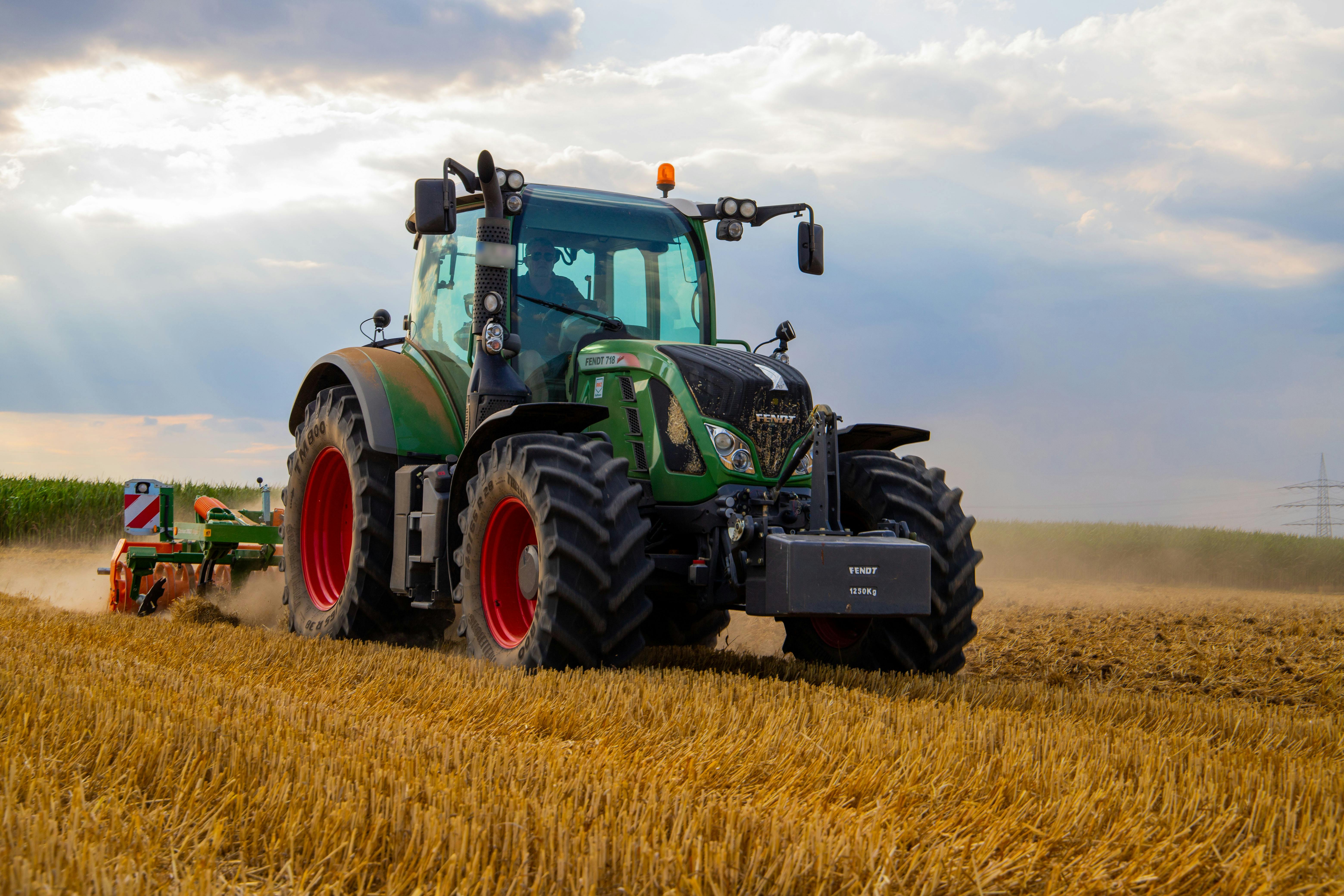
Traditional farming refers to agricultural methods passed down through generations, long before tractors, drones, or apps entered the conversation. It relies on indigenous knowledge, manual labor, natural cycles, and locally adapted seeds. While it’s often viewed as “old-fashioned,” traditional farming remains the backbone of food production in many parts of the world and plays a big role in preserving cultural identity.
Who Practices Traditional Farming Today?
Older Farmers in Rural Communities
In many African, Asian, and Latin American countries, traditional farming is dominant among older farmers who are familiar with the rhythms of the land. These farmers rely on experience, rain patterns, moon cycles, and soil feel, rather than new tech. They often prefer methods that have sustained their families for decades.
Smallholder Farmers
The majority of smallholder farmers worldwide use traditional or semi-traditional methods. Because machinery and advanced tech can be expensive, they depend on community labor, animal power, and organic inputs.
Indigenous Communities
Traditional farming is deeply rooted in indigenous culture. Communities in the Amazon, the Sahel, East Africa, the Andes, and South Asia practice agroecological methods that conserve biodiversity, maintain heirloom seeds, and protect sacred land.
Farmers in Remote or Low-Tech Regions
In areas with limited access to electricity, machinery, or extension services, traditional farming remains the default. These farmers rely on local innovation, simple irrigation systems, hand-crafted tools, and community seed banks.
Cultural and Heritage Farmers
Some communities continue traditional farming to preserve culture. For them, farming is more than produce; it’s a way of life tied to rituals, festivals, and identity. For example, yam festivals in West Africa.
Traditional farming isn’t disappearing; it’s evolving. While younger farmers increasingly adopt tech-based methods, many still draw from traditional knowledge to stay resilient in the face of climate change.
The Glow-Up of Agriculture: From “Old School” to “High-Tech Hustle
On the other hand, there is a growing but still emerging body of empirical and evidence-based research examining how younger people, especially Generation Z and youth, relate to agriculture, especially in contexts where agriculture is being modernized with technology (“agritech,” “smart farming,” “digital agriculture,” etc.).
What Is Driving the Youth’s Involvement in Agriculture?
Technology Integration
The youth use their tech-savviness to implement cutting-edge tools. Drones for crop spraying and monitoring, soil sensors, AI for livestock management, and data analytics are becoming part of routine farm operations. This "smart agriculture" approach increases efficiency and appeals to their digital interests.
Sustainability and Social Impact
This generation is deeply concerned with climate change and sustainability. Agriculture offers a direct platform to address global challenges like food security and environmental stewardship through practices such as regenerative farming and controlled environment agriculture.
Entrepreneurial Spirit
Many young people approach farming with a "startup mindset," developing apps, branding products online, and engaging in direct-to-consumer sales via social media platforms like TikTok and Instagram. Also, we now live in an interest-media world where branding matters. If your audience finds your content interesting, you as a person or your business could become the next big thing. A 2025 study titled “Branding for Gen Z: Consumer Behaviour and Newly Launched Technological Products (Agriculture)” found that for agritech products, what matters most to Gen Z’s willingness to adopt is digital brand experience, brand knowledge, and brand image. In other words, transparency, clarity, appeal, and good digital engagement matter a lot for uptake among Gen Z.
Desire for an Intentional Lifestyle
Some young people are seeking a slower, more self-sufficient life, moving away from cities to embrace homesteading and off-grid communities.
What Is Unknown/Under-researched
There is still limited data on whether youth who enter agriculture with tech stay in the sector long-term or whether they revert to non-farm jobs. Most studies are context-specific (Africa or single countries); comparative pan-African (or cross-region) studies are rarer.
There's also limited research on social and cultural attitudes among youth in older-starts-to-farm countries (where agriculture is often stigmatized or associated with low status). Finally, research on gender differences among youth in agritech adoption remains limited (e.g., whether young women adopt differently than men).
What This Means for Stakeholders (Policy-makers, NGOs, Youth Startup Builders, etc.)
-
If you want to attract youth to agriculture, focus on tech and modernization rather than just traditional farming: smart farming, digital platforms, agritech startups, and data-driven farming.
-
While interest is growing, young people still only make up a small percentage of farmers in many regions. Using platforms like TikTok and YouTube, influencer marketing, and transparent and sustainable messaging to showcase the tech-driven, dynamic reality of modern agriculture is essential to counter outdated stigmas and reshape perceptions about agriculture.
-
Investing in and enhancing access to infrastructure, training, financing, and enabling institutions (cooperatives, youth-friendly credit, and land access schemes) because youth adoption depends on those, not just on interest.
-
Recognize youth as diverse. Tailor interventions to different segments (urban vs rural youth; educated vs less educated; digitally savvy vs non-savvy). Ensuring educational systems prepare youth for the tech-focused demands of modern agriculture, rather than just traditional jobs, is vital.
-
Fostering an inclusive community with mentorship programs and supportive government policies (like the EU's CAP 2023-2027) helps young people connect, share knowledge, and feel a sense of belonging in rural areas.
The Changemakers: Young Minds, Big Impact
Forget the stereotype; today’s agriculture is smart, digital, profitable, and surprisingly cool, thanks to the youth of today. They’re hacking old problems with new tools and proving that innovation grows just as well in the field as it does in the lab.
Here’s what Theophilus Aboagye, Founder & CEO, AGE Industries and Trading Ltd, had to say:
“After studying Social Work from University of Ghana, I began my journey with a strong interest in mechanical fabrication, learning welding from my uncle and later interning with fabrication firms. After completing several internships and struggling to secure a stable job, I decided to start something on my own. My first attempts at building machines, starting with a cassava grater, failed multiple times, but those failures pushed me to research, experiment, and refine my skills.
In the later part of 2024, I founded AGE Industries to design and build affordable agricultural and food processing machines for small and medium-holder farmers. My motivation came from seeing farmers rely on outdated, labour-intensive, and unsafe practices, leading to huge post-harvest losses and health risks. I wanted to create simple, efficient, locally manufactured machines that make their work easier and improve productivity.
The journey hasn’t been easy. Challenges like limited capital, inconsistent access to materials, building customer trust, and managing production with a small team have been ongoing. But every challenge has strengthened the business.
Some achievements I am grateful for include building over 50 machines across different product lines in these one and a half years of proper operations, creating more than 12 direct and indirect jobs, and serving thousands of farmers across more than 35 communities. Our innovations have eliminated child labour on some farms, reduced post-harvest losses, and improved food processing efficiency. Recently, we won the Youth Agri Innovation Challenge 2025 and Cohort 3 of Entrepreneurship with Bola Ray and continue to scale with new solutions.”
Meet Yvonne Nuoriyee, the face behind Edible Treats.
Her business adds value to local foods and turns them into delectable treats. She has trained over 150 females in vocational skills, and she hopes to empower more females to be economically independent. She has a chocolate brand known as “Enumde,” which means "sweet tooth," providing income for female smallholder farmers. Yvonne’s vision for Edible Treats is to empower females to be economically independent and to reduce postharvest losses in the agricultural sector. After seeing young women being exploited because they could not afford sanitary towels, Yvonne made it a mission to empower women and youth with skills training; this, she believes, will help them transform their lives and communities.
One of the challenges the business has faced is consistent supply of raw materials, but they have built a network of suppliers who provide them with the quality they need to do their work.
Currently, they have introduced different variants of their chocolates, adding value to their fruits by turning them into snacks that both adults and children love.
The business is in 3 retail outlets, and they hope to expand their reach to other outlets.
Social media has helped Yvonne to leverage a lot of opportunities, from connecting with clients to having people order her products. For her, social media is a tool that has moved her business from obscurity into the limelight and has helped her products travel beyond the shores of Ghana.
At Edible Treats they believe they can add value to their agricultural produce whilst empowering women, thereby pushing Ghana on the global map.
Login to comment
To post a comment, you must be logged in. Please login. Login
Comments (0)